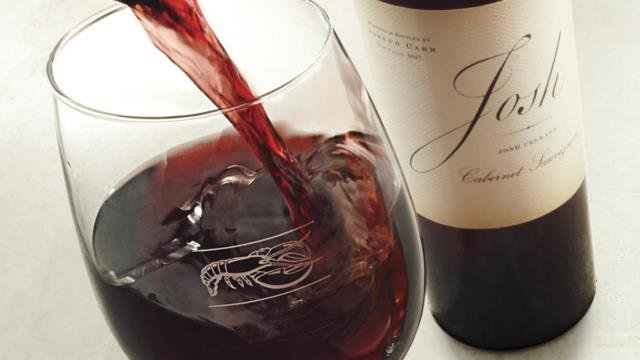
Red Lobster typically offers a selection of common red wine varietals. The specific bottle or brand (e.g., Merlot, Cabernet Sauvignon, Pinot Noir) will determine the exact characteristics.
| Category | Typical Varietals |
| Cabernet Sauvignon | Full-bodied, dark fruit flavors (black cherry, cassis), with hints of spice and vanilla, and firm tannins. |
| Merlot | Medium to full-bodied, softer tannins, with plum, black cherry, and herbal notes. |
| Pinot Noir | Light-bodied, bright red fruit flavors (cherry, raspberry), and an earthy, smooth finish. |
View full – Red Lobster Menu
💲 Price Estimate
The price for a glass of house red wine (typically 6oz or 9oz pour) or a bottle will vary by restaurant location.
- Glass (approx. 6oz): Generally ranges from $7 to $10.
- Glass (approx. 9oz): Generally ranges from $10 to $15.
- Bottle: Generally ranges from $25 to $40+ for standard menu offerings.
🍽️ Calories and Nutrition (General Red Wine)
The nutrition facts for Red Lobster’s generic “Red Wine” are based on standard industry approximations for alcoholic beverages.
Calories
- 9 oz. Glass (Approx.): 220 Calories
- Bottle (Approx.): 490 Calories (Note: A standard bottle is 750ml, or about 25 oz, but this data point reflects a specific bottle size used for estimation.)
| Nutrient | Value (Per 9 oz. Glass) | % Daily Value (DV) |
| Total Fat | 0g | 0% |
| Saturated Fat | 0g | 0% |
| Cholesterol | 0mg | 0% |
| Sodium | 10mg | 0.4% |
| Total Carbohydrate | 7g | 3% |
| Dietary Fiber | 0g | 0% |
| Total Sugars | 2g | Not Specified |
| Protein | 0g | Not Specified |
Nutrition values are based on an average 2,000 calorie diet and are approximations for the generic beverage listed.
🍇 Ingredients and Allergens
Ingredients
The primary ingredient in red wine is fermented grape juice (from red or black grapes). Other components often include:
- Water
- Yeast (used for fermentation)
- Sulfites (naturally occurring or added as a preservative)
- Fining agents (may include egg whites, casein, or gelatin, though these are often filtered out).
Allergens List ✅ Add
Red wines typically do not contain the major 8 food allergens (milk, eggs, peanuts, tree nuts, soy, wheat, fish, and shellfish) as primary ingredients.
However, the major allergen concern in wine is Sulfites.
- Sulfites: Present in all wines. If you have a severe sensitivity to sulfites, you should exercise caution.
FAQs
🍷 Q1: Which red wine tastes good with lobster?
A: Most people drink white wine with seafood, but if you like red wine, choose a light red like Pinot Noir. It has soft flavors that go well with the sweet taste of lobster, especially with butter or pasta.
🌡️ Q2: Should I ask for my red wine to be cold?
A: Light red wines like Pinot Noir can taste better when a little cold. Strong red wines like Cabernet Sauvignon are usually served slightly cool, not too cold. Your server can help with the right temperature.
⚖️ Q3: How much alcohol is in Red Lobster’s red wines?
A: It depends on the wine, but most red wines have about 12.5% to 15% alcohol. You can check the bottle for the exact number.
🥖 Q4: Do red wines at Red Lobster have gluten?
A: No. Red wine is made from grapes, so it is naturally gluten-free.
🏷️ Q5: Can I order a smaller bottle of red wine?
A: Red Lobster usually serves wine by the glass or by the full bottle. Some places may have half-bottles or carafes, but it can be different at each restaurant. Ask your server what they have.